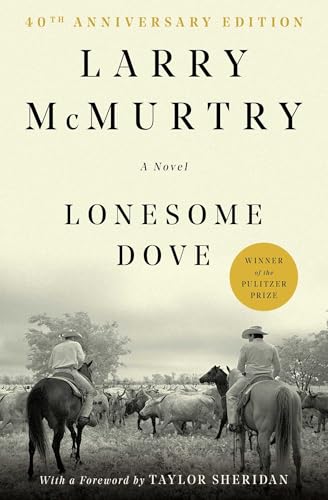
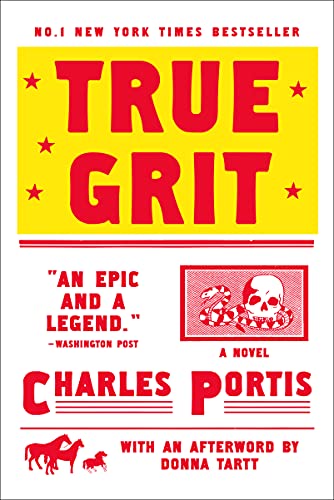
Displacement and the Native Nations
The westward expansion's cost to Indigenous peoples is treated as subject rather than background — treaty violation, forced removal, and the destruction of an economy. The genre's most consequential and most frequently mishandled material.
Frontier Justice Versus Law
Informal community enforcement collides with formal legal process, and the book takes a position on whether procedure is worth its cost in a place where it barely functions.
Homesteader Versus Cattle Baron
Smallholders and a large landowner contest the same ground, and the dispute escalates from legal manoeuvring to violence. Property law is the battlefield.
The Cattle Drive
A long overland journey with livestock structures the novel, with river crossings, weather, stampedes, and the crew's internal politics as the sequence of obstacles. The route is the plot.
The Gunfighter Trying to Retire
A man with a violent reputation attempts an ordinary life, and the past arrives to collect. His competence is the problem, not the solution.
The Outlaw Gang's Last Job
A criminal band, aware that their era is ending, attempts a final undertaking. Technology, law, and age are closing in, and everyone knows it.
The Railroad Arrives
Infrastructure — rail, telegraph, barbed wire, highway — reaches a community and destroys the conditions its economy and culture depended on. Nobody can be blamed and nothing can be stopped.
The Revenge Ride
A character pursues those who wronged them across great distance and time, and the pursuit consumes the life it was meant to restore. Geography measures obsession.
The Tenderfoot's Education
An outsider with book knowledge and no practical skill enters the West and is taught by people who cannot articulate what they know. Their ignorance licenses explanation.
The Town That Needs a Sheriff
A settlement without functioning authority recruits someone capable of violence to impose order, then discovers it must live with what it hired. The town's complicity is the theme.
The Woman Who Runs the Place
A woman holds real economic power — a ranch, a boarding house, a saloon, a claim — in a legal environment designed to prevent it. Her authority is constantly contested and never formally secure.
Wilderness as Antagonist
Terrain, distance, water, and weather constitute the primary threat, and human conflict is secondary. Competence in the landscape is the measure of a character.
The Woman Who Runs the Place
A woman holds real economic power — a ranch, a boarding house, a saloon, a claim — in a legal environment designed to prevent it. Her authority is constantly contested and never formally secure.
It puts a character with genuine agency into a setting that denies it, which generates conflict from the setting itself rather than from a villain.
She is exempted from the period's constraints without explanation, which costs the book its credibility on every other historical point.
Have her lose the property legally, correctly, and irreversibly, and follow what she does next.
Example books