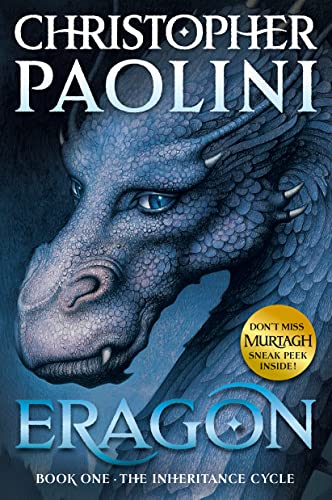
Ancient Evil Awakening
A power contained by a previous generation stirs, usually because someone disturbed the containment or the containment simply aged out. The present-day cast inherits a problem they did not create and do not fully understand.
Anti-Hero Redemption Arc
A character who has done real harm moves toward restitution, usually at a cost that exceeds the benefit to themselves. The arc requires that the harm be acknowledged by the narrative, not just outgrown.
Assassin/Thief Protagonist
A protagonist whose profession is illegal and skill-based, giving the book a built-in vocabulary of jobs, marks, crews, and rules. The craft is the source of both competence-porn and moral cost.
Chosen One
A character is singled out by prophecy, birth, or supernatural selection as the only one who can resolve the central threat. The selection precedes and outranks their competence, which is the source of both the wish-fulfilment and the anxiety.
Court Intrigue
Power is contested through alliance, marriage, information, and murder rather than open battle. Etiquette is the weapon and every conversation is a transaction.
Dark Lord/Ultimate Evil
A singular antagonist whose defeat resolves the book's threat, usually possessing overwhelming power, an army, and an ideology that requires domination. The oldest organising principle in commercial fantasy.
Dragon Companion/Bond
A human and a dragon form a mutual, usually telepathic bond that confers power and imposes obligation. The dragon is a character with its own judgement, not a vehicle.
Fae Bargain
A pact with a being that cannot lie and will not be generous, whose terms are honoured with malicious precision. The wording of the agreement is the plot.
Found Family
Unrelated characters, usually outcasts, form bonds of obligation and affection that function as kinship. The group's internal dynamics become the book's emotional centre regardless of the external plot.
Gods Who Intervene
Deities exist, act, and can be met, bargained with, or disappointed. Faith is a relationship with a stakeholder rather than a belief, and prayer has a delivery mechanism.
Hero's Journey
The Campbell/Vogler departure-initiation-return template: ordinary world, call, refusal, mentor, threshold, trials, ordeal, reward, road back, resurrection, return with the elixir. It is a description of a common shape, not a prescription.
Last of Their Kind
A character is the only remaining member of a people, order, or tradition, and carries knowledge that will die with them. Their existence is both a resource and a wound.
Magic School / Dark Academia
An institution teaches magic, ranks its students, and houses the plot inside a term structure with exams, factions, and forbidden areas. The school's rules are the world's rules in miniature.
Magic with a Cost
Magical power is metered by a resource — blood, memory, lifespan, sanity, material — so that every use is a transaction the reader can price. The cost must be legible before it is paid.
Morally Gray Antihero
A protagonist whose methods and sometimes goals are genuinely objectionable, presented without authorial excuse. The reader's allegiance is secured by competence, voice, and interiority rather than by virtue.
Necromancy and the Restless Dead
Magic that manipulates death, corpses, or spirits, and the social contempt or prohibition that follows it. Necromancy is the standard vehicle for asking whether a taboo is a moral fact.
Portal to Another World
A character crosses from a familiar world into a fantastical one, and their outsider status licenses explanation, comparison, and culture shock. The door may or may not remain open, which is the trope's central lever.
Prophecy
A foretold outcome constrains and directs the plot, functioning either as a promise to be fulfilled or a trap to be escaped. Its language is usually ambiguous enough to permit a reinterpretation at the climax.
Quest/Fellowship
A group with complementary skills travels toward a defined objective, encountering escalating obstacles that test the group's cohesion as much as its capability. The route provides the plot's spine.
Rebellion Against Empire
An organised movement attempts to overthrow an established power, and the book must reckon with what replaces it. The most politically demanding structure in the genre.
Reluctant Hero
A protagonist who does not want the role, actively resists it, and is compelled into it by circumstance or the cost of refusing. The reluctance must have a reason the reader respects — obligation elsewhere, honest self-assessment, fear that is warranted.
Reluctant Ruler
A character acquires authority they did not seek and must govern, which is a fundamentally different skill from the one that got them the throne. Winning is the beginning of the problem.
Retelling of Myth/Fairy Tale
A known story is retold with a shifted perspective, setting, or moral frame — often giving interiority to a character the original treated as an object. The reader's prior knowledge is a structural asset.
Secret Royal Heritage
A character raised without status discovers a claim to power, which arrives as both opportunity and threat. The revelation reorganises the plot around legitimacy rather than capability.
Sentient or Cursed Weapon
A weapon possesses will, memory, or appetite, and its relationship with the wielder is negotiated rather than assumed. The weapon usually wants something the wielder does not.
Talking Animal/Familiar Companion
A non-human companion with speech and agency accompanies the protagonist, functioning as counsel, comic relief, and a legitimate channel for the protagonist's unspoken thoughts.
The Mentor's Death
The figure who trained and legitimised the protagonist is removed, usually two-thirds through, forcing the protagonist to act without authorisation. Structurally near-universal in commercial fantasy.
Tournament/Trial Arc
A formal competition with published rules, brackets, and observers structures a section of the book, converting character development into scored events. Common to fantasy, progression, and YA alike.
Willing Sacrifice
A character knowingly gives up their life or something equivalent so that others survive or a goal is achieved. The choice must be informed, voluntary, and irreversible for the beat to carry its full weight.
Wise Mentor Figure
An experienced figure who trains, advises, and legitimises the protagonist, usually possessing knowledge the protagonist needs and withholding some of it. Their removal is the standard mechanism for forcing the protagonist to lead.
Secret Royal Heritage
A character raised without status discovers a claim to power, which arrives as both opportunity and threat. The revelation reorganises the plot around legitimacy rather than capability.
It converts a personal story into a political one instantly, and it makes every previous act of kindness or cruelty toward the protagonist retroactively significant.
Bloodline as merit. If the hidden heritage also explains why the protagonist was always exceptional, the book has argued that class is real.
Make the claim inconvenient and contested, and let the protagonist be a worse ruler than the incumbent.
Example books