

A Game of Thrones
George R. R. Martin
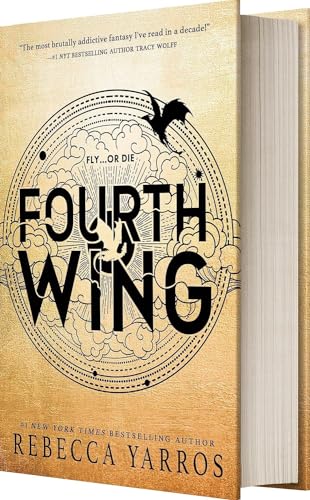
Fourth Wing
Rebecca Yarros
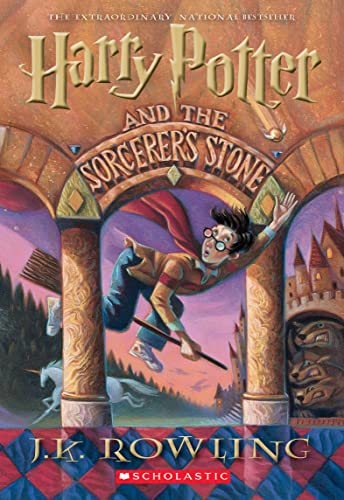
Harry Potter and the Sorcerer's Stone
J.K. Rowling
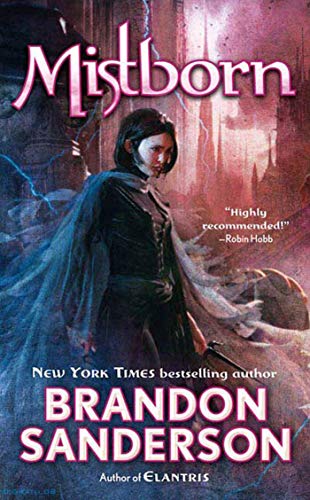
Mistborn: The Final Empire
Brandon Sanderson
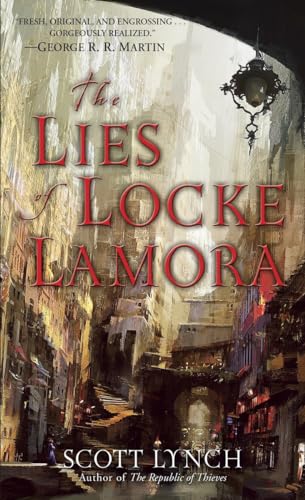
The Lies of Locke Lamora
Scott Lynch
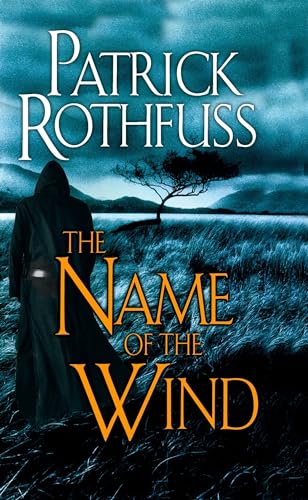
The Name of the Wind
Patrick Rothfuss
Zodiac Academy: The Awakening
Caroline Peckham, Susanne Valenti
Patrick Rothfuss
The Name of the Wind
Patrick Rothfuss
Fantasy
Epic fantasy / frame narrative
2007
7
6
An innkeeper hiding under a false name tells a chronicler the true story of his life: a troupe child orphaned by mythical killers, a beggar year in a port city, and a scholarship at a University he cannot afford.
A living legend narrates his own biography, and the gap between the legend and the man in the room is the actual story.
A picaresque education novel wrapped in a frame that tells you from the first page that the hero fails.
Kvothe — prodigiously talented, temperamentally incapable of leaving anything alone, and narrating a version of himself he has editorial control over.
The Chandrian in the mythic register; Ambrose and the University's economics in the practical one; and Kvothe's own inability to stop escalating.
Character core
Entry to the Archives, money to stay enrolled, and information about the Chandrian who killed his troupe.
To recognise that cleverness is not the same as judgement, and that the appetite that makes him exceptional is the thing that costs him everything.
If I am talented enough and quick enough, I can get everything I want without anything permanent being taken from me.
Available only in the frame, not to the young man telling the story: the escalation had a floor, and he reached it. The narrating Kvothe understands what the remembered Kvothe cannot.
Expulsion, destitution, and the deferral of the only question he cares about. In the frame, something much larger has already gone wrong.
Structure
First person retrospective for the interior narrative, with a third-person present-day frame at the Waystone Inn. The frame is not decoration — it is the source of every irony in the book.
Day one of three. The frame establishes a diminished, defeated Kvothe before a single word of his story is told, so the reader watches a brilliant young man succeed while knowing it ends here. Rothfuss also uses the frame to interrupt at chosen moments, which is a pacing tool most first-person novels do not have access to.
The troupe is slaughtered by the Chandrian, and an eleven-year-old is left alone in a burned camp.
Admission to the University. The goal he has organised his life around is achieved early, and it immediately becomes a treadmill of tuition, debt, and rivalry.
Banned from the Archives — the one thing the University was for — through his own recklessness, with Ambrose positioned to keep him out.
Trebon and the draccus: Kvothe pieces together evidence of the Chandrian, and the confirmation costs a village and settles nothing.
Day one ends. The reader returns to the inn, where the man who told the story cannot do the things he has just described.
Story beats
| Beat | Where | How it lands |
|---|---|---|
The first real loss — small, not the big one | Act I | The troupe's slaughter arrives early and without ceremony, and it teaches the reader what this book will do. |
An old wound reopened by a stranger | Frame | Chronicler's arrival reopens a wound Kvothe has spent years converting into an ordinary life. |
Public humiliation that fuels everything after | University | Public humiliation by Ambrose fuels an escalation Kvothe cannot stop. |
The library that's been quietly edited | Middle | The Archives are the repository of everything he needs, and access is administered by people who dislike him. |
The plan works and solves nothing | Midpoint | Admission to the University is achieved and solves nothing, because tuition is due next term. |
Landing one hit on the mentor for the first time | Middle | Kvothe outperforms his instructors early, which wins him status and enemies in the same scene. |
The rules bent once, then bent again | Throughout | Each escalation with Ambrose is proportionate to the last and cumulatively ruinous. |
The first real loss — small, not the big one
The troupe's slaughter arrives early and without ceremony, and it teaches the reader what this book will do.
An old wound reopened by a stranger
Chronicler's arrival reopens a wound Kvothe has spent years converting into an ordinary life.
Public humiliation that fuels everything after
Public humiliation by Ambrose fuels an escalation Kvothe cannot stop.
The library that's been quietly edited
The Archives are the repository of everything he needs, and access is administered by people who dislike him.
The plan works and solves nothing
Admission to the University is achieved and solves nothing, because tuition is due next term.
Landing one hit on the mentor for the first time
Kvothe outperforms his instructors early, which wins him status and enemies in the same scene.
The rules bent once, then bent again
Each escalation with Ambrose is proportionate to the last and cumulatively ruinous.
Tropes
The University is defined by tuition, patronage, and admissions politics as much as by magic, which is unusually concrete.
Sympathy has explicit thermodynamic rules, and the costs are paid in body heat and exhaustion.
Kvothe is telling his own legend to a professional recorder, and the frame keeps reminding the reader of it.
The frame shows the strong-to-weak arc first, so the ascent reads as tragedy rather than as wish fulfilment.
Abenthy's loss and the troupe's destruction remove instruction and belonging at once.
The frame interrupts on the author's schedule rather than the story's, which is a deliberate pacing instrument.
Craft notes
The frame does the work that a lesser book would do with foreshadowing. Because the reader has met the failed innkeeper first, every triumph in the interior narrative is shaded, and Rothfuss never has to hint. If your protagonist's arc is a fall, consider showing the landing on page one and letting the reader carry the dread.
Writers copy the frame and forget that it has to cost the narrator something. Kvothe's telling is a performance to a specific audience with a specific agenda, and he is visibly shaping it — which makes the frame an unreliability engine rather than a wrapper.
Drop this structure into a project, set a daily word goal, and keep the streak. Free 14-day Pro trial, no credit card.