

A Game of Thrones
George R. R. Martin
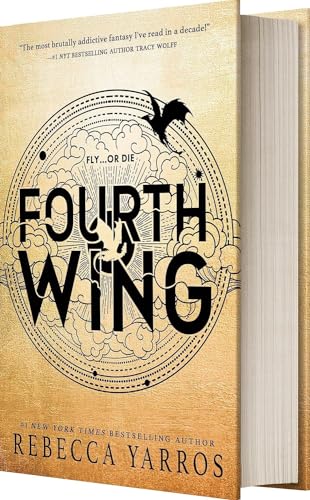
Fourth Wing
Rebecca Yarros
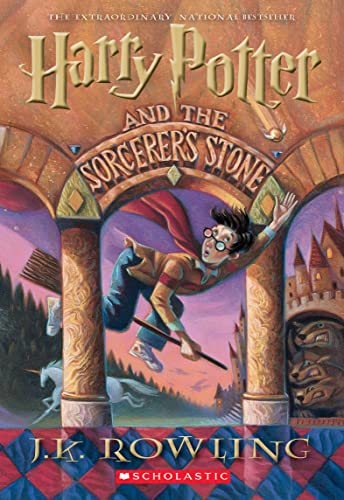
Harry Potter and the Sorcerer's Stone
J.K. Rowling
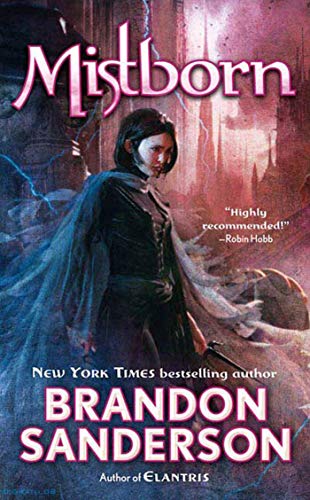
Mistborn: The Final Empire
Brandon Sanderson
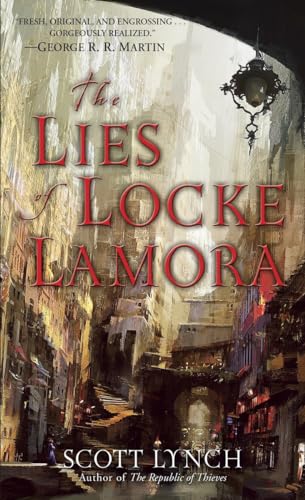
The Lies of Locke Lamora
Scott Lynch
The Name of the Wind
Patrick Rothfuss
Zodiac Academy: The Awakening
Caroline Peckham, Susanne Valenti
J.K. Rowling
Harry Potter and the Sorcerer's Stone
J.K. Rowling
Fantasy
Portal / school fantasy
1997
7
6
On his eleventh birthday, a neglected orphan learns he is a famous wizard, is taken to a boarding school for magic, and uncovers a plot to steal an artefact of immortality for the dark wizard who murdered his parents.
A neglected child discovers he is secretly important, and the place that welcomes him turns out to have the same problems as the one he left.
Cinderella at boarding school, with a locked-castle mystery underneath.
Harry — passive by conditioning rather than temperament. Ten years of the cupboard have taught him not to ask for things.
Quirrell, hosting Voldemort. The reveal works because the reader's suspicion has been carefully aimed elsewhere.
Character core
To escape the Dursleys, belong somewhere, and learn magic.
To move from being a person things happen to into someone who chooses, and to accept that his fame is an inheritance of grief rather than a prize.
Now that I am away from the Muggles, Hogwarts will be safe, and I can just be a normal boy who does magic.
The magical world carries the same cruelty, prejudice, and danger as the one he left. Magic is a tool; what distinguishes people is choice and love — the protection his mother's death conferred is the book's literal proof.
The Stone in Voldemort's hands, his return, and the destruction of the first place Harry has ever belonged.
Structure
Third person limited on Harry, past tense, with a single early exception — the opening chapter follows Vernon and Dumbledore, establishing the world before Harry can.
A school year is the structure. Term dates, Quidditch fixtures, Christmas, and exams supply act breaks that require no invention, and the mystery is threaded through them so that ordinary school scenes double as investigation. Rowling front-loads the wonder and back-loads the plot, which is why the first half reads as tour and the second as thriller.
The letters arrive, and Hagrid delivers them in person: Harry is a wizard and has a place at Hogwarts.
The Mirror of Erised. Harry sees his family, is warned that men have wasted away before it, and the book's theme — desire versus what is real — is stated in an image rather than a speech.
Dumbledore is called away, Harry cannot get an adult to believe him, and the three of them realise the theft will happen tonight with nobody available to stop it.
Through the trapdoor: each friend's established skill clears one obstacle, and Harry faces Quirrell alone at the Mirror, where wanting to find the Stone rather than use it is what produces it.
The Stone is destroyed, Voldemort is driven off rather than defeated, and Gryffindor wins the House Cup on points awarded for moral courage — including Neville's.
Story beats
| Beat | Where | How it lands |
|---|---|---|
A door closed behind them | Act I | Platform Nine and Three-Quarters closes behind him; the Dursleys stop being an option. |
An early skill that pays off much later | Act I to climax | Ron's chess, Hermione's herbology, Harry's flying — each planted as character detail and cashed in the trapdoor sequence. |
The truth told and not believed | Act III | They know what is about to happen and cannot get an adult to listen, which isolates them precisely when help exists. |
The quiet scene right before the hard thing | Christmas | The quiet Christmas at Hogwarts buys the emotional interest the third act spends. |
A celebration held under false pretenses | Throughout | Quidditch matches and feasts run on while an attempted theft and a murder attempt are in progress. |
The mentor turns out to be fallible | Resolution | Dumbledore admits he has withheld things and will continue to, which plants the mentor's fallibility for later books. |
The library that's been quietly edited | Middle | The library's Restricted Section holds what the school has decided students should not know. |
A door closed behind them
Platform Nine and Three-Quarters closes behind him; the Dursleys stop being an option.
An early skill that pays off much later
Ron's chess, Hermione's herbology, Harry's flying — each planted as character detail and cashed in the trapdoor sequence.
The truth told and not believed
They know what is about to happen and cannot get an adult to listen, which isolates them precisely when help exists.
The quiet scene right before the hard thing
The quiet Christmas at Hogwarts buys the emotional interest the third act spends.
A celebration held under false pretenses
Quidditch matches and feasts run on while an attempted theft and a murder attempt are in progress.
The mentor turns out to be fallible
Dumbledore admits he has withheld things and will continue to, which plants the mentor's fallibility for later books.
The library that's been quietly edited
The library's Restricted Section holds what the school has decided students should not know.
Tropes
Selection precedes competence — Harry is famous for something he has no memory of and no credit for.
The template most subsequent magic schools are measured against.
Dumbledore withholds, and the book flags the withholding rather than hiding it.
Snape is constructed as a suspect out of genuine, verifiable hostility — the herring is true in every particular except the conclusion.
Dead parents plus abusive guardians, which grants total autonomy and a specific wound.
Ron, Hermione, Hagrid and the Weasleys assemble the kinship the Dursleys withheld.
Craft notes
The gauntlet beneath the trapdoor is a masterclass in payoff design: Devil's Snare for Hermione, the keys for Harry, chess for Ron, logic for Hermione again. Every obstacle is solved by a competence the reader watched a specific character demonstrate earlier. If you are building a climax, audit it — each stage should be cashing a cheque written in act one, by a different character.
Imitators copy the magic school and forget that Hogwarts is a mystery box first. The castle has locked doors, a forbidden corridor, an off-limits forest, and a teacher who might be a murderer, and Rowling withholds all of it. A magic school without secrets is a timetable.
Drop this structure into a project, set a daily word goal, and keep the streak. Free 14-day Pro trial, no credit card.